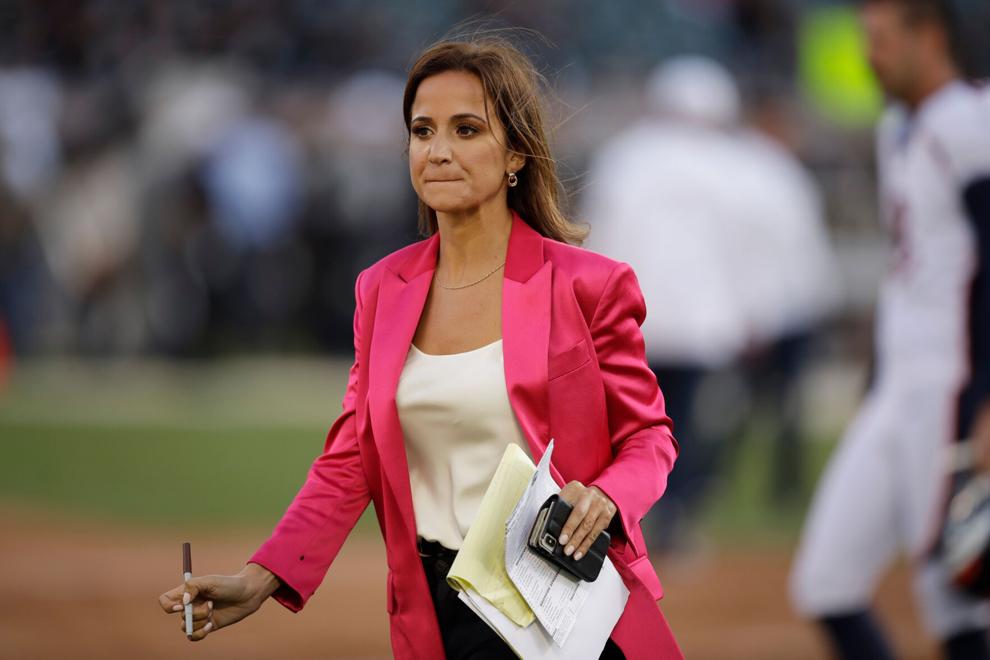
The Athletic concluded on September 3, 2026, that former NFL reporter Dianna Russini violated its newsroom standards by failing to disclose her relationship with New England Patriots coach Mike Vrabel. However, the five-month review did not find clear evidence that Russini used her reporting to promote Vrabel or his teams, and it found no inaccuracies in her reporting. Russini resigned from The Athletic in April after photographs of her and Vrabel surfaced publicly.
Introduction
The long-awaited Dianna Russini investigation at The Athletic has concluded with a nuanced finding: the former NFL reporter violated the publication’s newsroom standards by failing to disclose her relationship with New England Patriots head coach Mike Vrabel, but investigators did not find clear evidence that the relationship caused her to favor Vrabel in her reporting.
The Athletic published the findings Thursday, September 3, 2026, following a review that lasted nearly five months. Mike Semel, the publication’s editorial director for standards and quality, examined hundreds of Russini’s stories along with videos, podcast episodes and other material from her time at the organization.
The conclusion is significant because it separates two questions that became intertwined after photographs of Russini and Vrabel emerged earlier this year: Did Russini violate journalistic standards? The Athletic says yes. Did the investigation prove that her reporting was biased in Vrabel’s favor? The answer was no.
What Happened?
The controversy began after photographs of Russini and Vrabel at a resort in Sedona, Arizona, became public in April.
The images generated questions because Russini was working as a senior NFL reporter for The Athletic while Vrabel was a major figure in the league and, at the time, a coach whose teams could potentially become subjects of her reporting.
Both Russini and Vrabel characterized their relationship as platonic. The Athletic initially supported Russini, but additional information led the organization to conduct a deeper examination of her work and her handling of the situation.
Russini ultimately resigned from The Athletic on April 14, 2026.
At the time, she said she stood behind her journalism and did not want the controversy to define her career. She maintained that she had covered the NFL professionally and that speculation surrounding the situation had gone beyond the established facts.
The Athletic then continued its examination of her journalism.
Key Details From The Athletic Investigation
The review was extensive.
According to the published findings, Semel examined:
- 903 stories involving Russini’s byline, contribution or reporting.
- 77 videos connected to her work.
- 204 episodes of the Scoop City podcast.
- Approximately two dozen other media appearances.
- Around 75 stories to compare The Athletic’s coverage of Vrabel-related subjects with coverage from other publications.
- Interviews with 14 Athletic employees who worked closely with Russini.
The investigation concluded that only about 46 of the 903 pieces, roughly 5 percent, mentioned Vrabel or his teams.
Most of those stories were routine news reports, such as transactions or game-related coverage. The review found that the majority of Russini’s work had nothing to do with Vrabel, his teams or players those teams were pursuing.
The investigation also found no inaccuracies in Russini’s reporting.
That is an important distinction. The report did not conclude that Russini fabricated information, deliberately misled readers in her football reporting or systematically promoted Vrabel.
Why Did The Athletic Say Dianna Russini Violated Its Standards?
The core issue was disclosure.
Mike Semel wrote that Russini should have told The Athletic about the nature of her relationship with Vrabel so editors could determine whether she should continue covering him or subjects connected to him.
The Athletic’s position was that the relationship itself created a conflict—or at minimum the appearance of one—that required disclosure regardless of whether the relationship was romantic.
The investigation therefore did not need to establish the exact nature of the relationship to reach its standards conclusion. The totality of the publicly available photographs was considered sufficient to determine that company policy had been violated.
That distinction is central to understanding the report.
The finding was not that Russini was proven to have traded favorable coverage for access or information. Rather, The Athletic determined that she failed to give editors information they needed to independently manage a potential conflict of interest.
Did The Investigation Find Bias in Russini’s Reporting?
No clear evidence of such bias was found.
Semel wrote that he did not find a clear connection showing that Russini used her platform to help promote Vrabel or his teams.
The review also found that Russini was broadly sourced throughout the NFL. Her sources included owners, general managers, coaches, agents and players, rather than being concentrated around Vrabel or the Patriots.
That finding is significant because it means the investigation did not conclude that Vrabel was the foundation of Russini’s NFL reporting network.
However, the report did identify some coverage that looked uncomfortable in hindsight.
Semel noted that Russini had written favorably about Vrabel on some occasions, and those pieces appeared different when viewed alongside the photographs and the undisclosed relationship.
The 2023 Mike Vrabel Story
One of the examples examined involved a November 2023 report concerning Vrabel’s position as head coach of the Tennessee Titans.
Russini reported at the time that Vrabel’s job was safe, despite his eventual departure from Tennessee less than two months later.
The Athletic did not conclude that the report was inaccurate when it was published. Investigators said they could not establish that Russini had improperly obtained the information or that she had fabricated the claim.
The episode nevertheless received additional scrutiny because of the later revelations surrounding her relationship with Vrabel.
This illustrates the broader challenge faced by the investigation: a reporter can publish information that turns out differently later without necessarily having violated journalism standards at the time.
Editor’s Notes Recommended for Some Content
The Athletic also identified specific content that did not meet its standards.
The review recommended editor’s notes for four pieces of content—one written story and three videos.
Three of the videos involved Vrabel. Two were produced around joint practices in 2025, while another involved a training-camp incident in which Vrabel broke up a fight.
The investigation considered one portrayal of Vrabel as somewhat heroic to be uncomfortable in light of the later revelations.
Another issue involved attribution in a column, according to reporting on the findings.
These findings did not amount to a conclusion that Russini’s entire body of work was compromised.
Instead, they demonstrate why The Athletic separated individual editorial concerns from the larger question of whether she systematically favored Vrabel.
What Dianna Russini Has Said
Russini has continued to stand by the position expressed in her April resignation letter.
In comments to The Associated Press on Thursday, she reiterated that she had covered the NFL with professionalism and dedication and stood behind the stories she had published.
Her resignation statement also said that she was leaving because she did not want the controversy to receive more attention or become the defining story of her career.
Russini did not participate directly in the Athletic review, according to reporting about the investigation.
The published findings therefore represent The Athletic’s assessment of her work and the information available to its investigators rather than a jointly conducted review involving Russini’s testimony throughout the process.
What Mike Vrabel Has Said
Vrabel has also sought to move past the controversy.
After The Athletic published its findings Thursday, he reportedly gave a brief response when asked about the investigation.
His position was essentially that he did not have a reaction and that the matter had moved on.
Earlier in the year, Vrabel had said the situation resulted in difficult conversations and that he would seek counseling. The NFL did not launch an investigation into his conduct.
The Athletic’s investigation was focused primarily on Russini’s work and compliance with the publication’s standards rather than determining the complete nature of her personal relationship with Vrabel.
Why This Matters for Journalism
The Dianna Russini case highlights an important principle in sports journalism: conflicts of interest are not limited to situations where actual bias can be proven.
A reporter covering powerful people can lose credibility if readers discover that an important personal relationship was not disclosed.
In this case, The Athletic’s investigation found no clear evidence that Russini manipulated her coverage to help Vrabel. Nevertheless, the organization concluded that the undisclosed relationship undermined confidence in her impartiality.
That distinction matters for readers because journalistic credibility depends not only on whether stories are factually correct but also on whether journalists and news organizations maintain appropriate professional boundaries.
For The Athletic, the investigation was therefore about more than Russini’s individual stories. It also became an examination of how the organization handles conflicts, sourcing and disclosure.
Changes The Athletic Plans to Make
The investigation resulted in recommendations intended to strengthen the publication’s editorial procedures.
Among them is a greater emphasis on standards training and conflict-of-interest disclosure for new employees.
The report also recommended stronger attention to sourcing practices and greater communication between reporters and editors when sensitive relationships could affect coverage.
The goal is to prevent similar questions from arising in the future and to protect the credibility of the publication’s journalism.
What Happens Next for Dianna Russini?
There is currently no confirmed announcement regarding Russini’s next full-time NFL media position.
Before joining The Athletic in August 2023, Russini spent years at ESPN and established herself as a prominent NFL insider.
Her future in football media remains a matter of interest, particularly because former colleagues have publicly defended her reporting ability and suggested that she could eventually return to NFL coverage.
However, any specific claim about a new employer or role should be treated as unconfirmed until an organization or Russini herself announces it.
For now, the clearest development is that The Athletic has completed its internal review and published its findings.
Why the Findings Are More Complicated Than the Headline
A simple headline saying that Dianna Russini violated standards leaves out an important part of the investigation.
The Athletic did find a standards violation. But the same investigation also found that:
- Most of Russini’s work was unrelated to Vrabel.
- Her reporting was not found to contain inaccuracies.
- Investigators did not find clear evidence that she promoted Vrabel or his teams through her platform.
- Her NFL sourcing extended well beyond Vrabel and the Patriots.
- Some individual pieces looked problematic or uncomfortable in hindsight.
- The undisclosed relationship itself was considered enough to violate the organization’s standards.
That combination makes the investigation notable.
It does not amount to a finding that all of Russini’s journalism was compromised. Instead, it concludes that a significant professional boundary was crossed while also finding insufficient evidence to say that the relationship systematically distorted her reporting.
FAQs
Who is Dianna Russini?
Dianna Russini is a longtime American sports journalist and NFL insider. She previously worked for ESPN before joining The Athletic in August 2023.
Why did The Athletic investigate Dianna Russini?
The Athletic investigated Russini after photographs emerged showing her with New England Patriots coach Mike Vrabel. The investigation examined whether her relationship with Vrabel affected her journalism and whether she complied with the organization’s conflict-of-interest standards.
What did The Athletic conclude about Dianna Russini?
The Athletic concluded that Russini violated its standards because she failed to disclose the relationship with Vrabel. The organization said the relationship should have been disclosed so editors could assess potential conflicts of interest.
Did The Athletic find that Dianna Russini’s reporting was biased?
No clear evidence of systematic bias was found. The investigation concluded that it could not establish a clear link showing that Russini used her platform to promote Vrabel or his teams.
Did the investigation find inaccuracies in Russini’s reporting?
The review did not identify inaccuracies in her reporting about Vrabel or his teams. It did, however, identify several pieces of content that did not meet The Athletic’s standards and recommended editor’s notes.
When did Dianna Russini leave The Athletic?
Russini resigned from The Athletic on April 14, 2026, following the controversy surrounding photographs of her and Vrabel.
What did Mike Vrabel say about the investigation?
After the findings were released, Vrabel indicated that he did not have a reaction to the report and that the matter had moved on.
What happens to Dianna Russini’s career now?
No new permanent NFL media position has been officially announced. Russini has a long history covering the NFL, including her previous work at ESPN and The Athletic, but her next professional move remains unconfirmed.
Sources
This article was researched and cross-checked using:
- The Athletic’s internal investigation and published findings, led by editorial director for standards and quality Mike Semel.
- The Associated Press, which reported the findings and included Russini’s response.
- Reuters, which independently reported that The Athletic found a standards violation but no clear evidence of biased reporting.
- The Guardian, for additional context on the investigation and the relationship between Russini and Vrabel.
- The Boston Globe, for detailed reporting on the scope of the review, including the 903 stories, 204 podcast episodes and 77 videos examined.
- NBC Sports/ProFootballTalk, for the published language and standards issue identified by The Athletic.
- The Independent, for additional independent coverage of the investigation’s conclusions.
Publication date: September 3, 2026.
Important accuracy note: The Athletic’s finding that Russini violated its standards should not be interpreted as a finding that she intentionally falsified reporting or systematically favored Mike Vrabel. The investigation specifically found no clear evidence of such reporting bias, while concluding that the undisclosed relationship itself violated the organization’s standards.
